7 Silent Warning Signs Your Roof is Failing (Before the First Leak)
As a property manager or even a building owner, you know the drill. A tenant calls about a drip in the corner of their office. You call a roofer, they slap on a patch, and you move on until the next storm, when that same drip turns into a waterfall that ruins a $50,000 server rack.
Here’s the hard truth: If you wait for a leak to appear inside your building, the damage is already five figures deep.
Water is patient. It travels. It hides in your insulation, rots your decking, and waits for a disaster to reveal itself. To help you stay ahead of the curve, we’ve rounded up the seven silent warning signs that your asset is actually a liability.
Want to see how your roof measures up?
Is Your Roof About to Fail?
See Warning Signs
These are some of the biggest red flags our roofers see before a critical roof failure.
1. The Ghost Leak: Unexplained Humidity or Odors
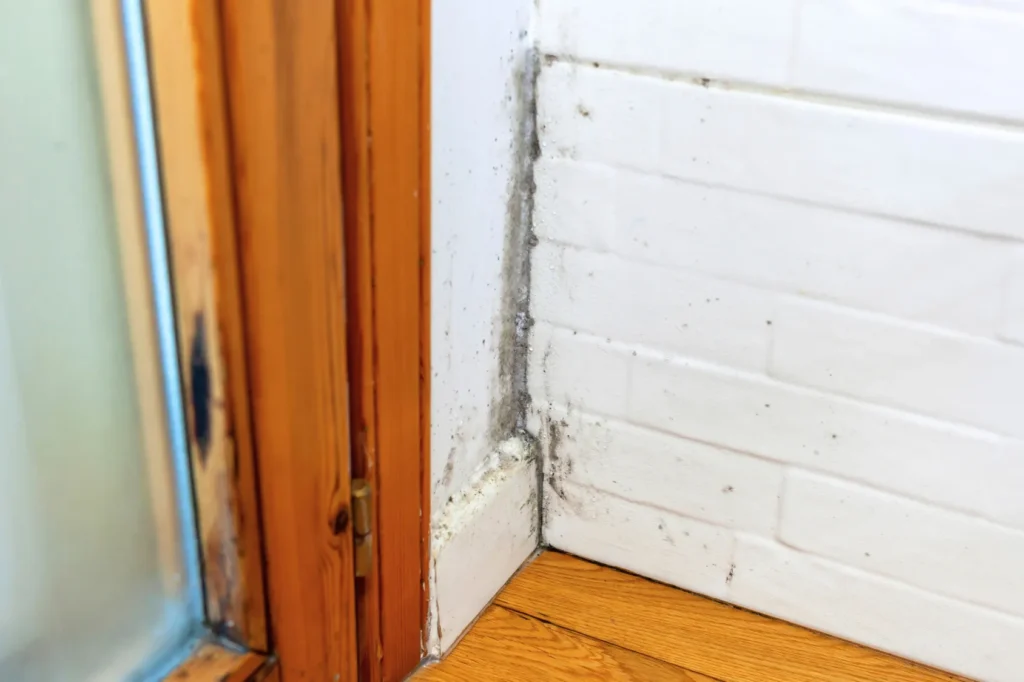
Sometimes a roof leaks without ever dripping. If tenants are complaining about a musty smell or if your HVAC system is struggling to keep humidity down, you likely have saturated insulation. Water is trapped between your membrane and the deck, creating a breeding ground for mold long before it ever breaks through the ceiling tiles.
2. The Flashing Fallacy
Most managers focus on the flat surface of the roof, but 90% of leaks happen at the edges. Check your flashing (i.e. the metal strips around vents), AC units, and the roof’s perimeter. If you see even a hairline gap or a bit of rust, the seal is broken. In a high-wind event, compromised flashing acts like a “pop-top” on a soda can, allowing the wind to peel your entire roof back.

3. The Energy Bill Spike
Is your cooling bill creeping up for no apparent reason? When roof insulation gets wet, it loses its R-value (insulating power) almost instantly. A failing roof isn’t just a structural risk; it’s a daily drain on your operating budget.
4. Ponding Water (The 48-Hour Rule)
If you see standing water on your roof more than 48 hours after a rain, you have a drainage crisis. Water weighs approximately 62 lbs per cubic foot. That “little pond” over the main lobby is putting thousands of pounds of unintended stress on your building’s structural steel every single day.
5. The “Alligatoring” Membrane
Take a look at your roof’s surface. Does it look like cracked alligator skin? This is a sign of advanced UV degradation. The membrane has lost its elasticity and is becoming brittle. In this state, it can no longer expand and contract with the sun, meaning the next temperature swing will likely cause a major split.
6. Missing Documentation (The Insurance Trap)
This is the silent sign that happens in your office, not on the roof. If you don’t have a record of a professional inspection in the last 12 months, your insurance carrier has a “get out of jail free” card. In the event of a disaster, many carriers will deny claims by citing “deferred maintenance.”
7. The Age Factor
Most commercial roofs are designed for a 15–20 year lifespan. If your roof is at the 12-year mark and hasn’t been Dried-In with a proactive maintenance plan, you are officially in the “Red Zone.”

Stop Guessing. Start Assessing.
You shouldn’t have to climb a ladder to know if your building is safe. We’ve developed a 60-second tool specifically for property managers to quantify their risk and get a clear action plan.
Why Proactive Managers Choose Dried-In Roofing
At Dried-In, we fix leaks and protect assets. Our goal is to move your property from a state of vulnerability to a state of fortress-like security.
By identifying these seven signs early, you can:
- Extend the life of your current roof by 5-10 years.
- Predict your CAPEX spend instead of being hit by emergency repair bills.
- Keep tenants happy (and their expensive equipment dry).
Don’t wait for the next storm to tell you your roof is failing.
You May Like
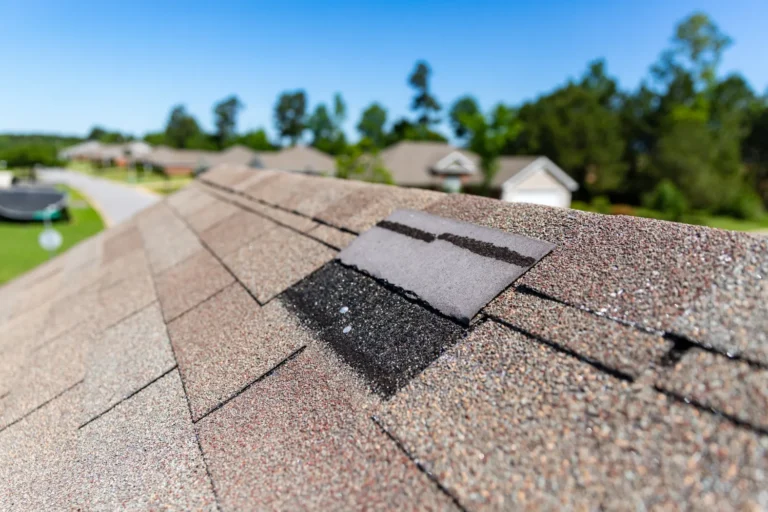
Roof Damage Identification Checklist After a Florida Storm
Preparing for the Inspection Visual Inspection of the Roof Surface Inspecting Gutters and Downspouts Interior Signs of Roof Damage Assessing Surrounding Areas and Debris Living in Florida means you’re no stranger to the unpredictable nature of storms, especially during Hurricane season. High winds, heavy rains, and flying debris can all
Is It Time for Roof Repairs? Signs Your Property is Due for Them
Visible Wear and Tear on the Roof’s Surface Water Stains and Leaks Inside the Property Increased Energy Bills Roof Age and Maintenance History Presence of Mold or Mildew Typical asphalt shingle roofs last 15–25 years, with Florida’s harsh climate sometimes shortening that span. Ensuring the safety and integrity of your
Showcasing Excellence: Dried-In’s Signature Projects During National Roofing Week
Seven Shores Amenity Buildings Beachmoor Condo Boca Grande Residence Sarasota Residence Honoring Roofing Excellence At Dried-In Roofing, excellence isn’t just a goal, it’s our standard. That’s why we’re proud to participate in National Roofing Week, an annual celebration led by the National Roofing Contractors Association (NRCA) to highlight the importance