Pre-Hurricane Season Roofing Checklist: How to Document Your Roof to Fast-Track Insurance Claims
- Why Pre-Storm Documentation Is Essential in Florida
- Schedule a Professional Baseline Roof Inspection
- How to Take Photos for Insurance Purposes
- Don’t Forget the Interior and Attic
- Inspect Gutters, Flashing, and Drainage
- Organize Your Digital “Hurricane Folder”
- Most Importantly, Know Your Deadlines
- Is Your Roof Ready for Hurricane Season?
- Frequently Asked Questions
In Florida, hurricane preparedness isn’t just about shutters and water—it starts on your roof. Taking detailed photos and professional inspection notes before storm season hits can save you weeks of claim delays and thousands of dollars in unreimbursed damage.
As insurance requirements become more stringent, Florida homeowners must provide “proof of pre-storm condition” to process claims quickly and fairly. A clear, timestamped record is your best defense to ensure you get the coverage you deserve.

Why Pre-Storm Documentation Is Essential in Florida
Florida law typically requires homeowners to report storm damage within a specific timeframe (often 30 days). Having evidence from before the clouds roll in strengthens your case by proving damage was storm-related and not a result of wear and tear or preexisting conditions.
The Florida Office of Insurance Regulation encourages annual documentation to support accurate claims. This prep work doesn’t just help the insurance company; it allows your roofing contractor to provide a more accurate repair estimate after the storm.
Schedule a Professional Baseline Roof Inspection
Don’t rely on your own eyes alone. Before hurricane season begins, schedule a certified roofing inspection to identify hidden vulnerabilities like:
- Lifted or damaged flashing
- Loose tiles or shingles
- Aging or compromised underlayment
According to the Florida Building Code, roofing systems must meet strict wind uplift standards. A professional inspection from Dried-In Roofing verifies your roof’s compliance and provides a detailed structural report that meets both building code and insurance industry standards.
How to Take Photos for Insurance Purposes

High-resolution visuals are the backbone of a successful claim. When documenting your roof, follow these steps:
- Capture All Angles: Take wide shots of the entire roof and close-ups of high-risk areas like vents, skylights, and gutters.
- Prove Location: Include at least one photo showing your house number for identification.
- Use Timestamps: Ensure your camera settings include a date/time stamp.
- Go High: If possible, use drone photography to capture the full roof plane and any areas not visible from the ground.
Don’t Forget the Interior and Attic
Water intrusion often starts where you can’t see it from the outside. Photograph your ceilings, attic rafters, and walls to prove there are no existing leaks or water stains.
Insurers compare these before shots to post-storm reports to determine the true extent of water damage. If you see light peaking through the roof decking or soft spots in the insulation, have them repaired by a professional immediately.
Inspect Gutters, Flashing, and Drainage
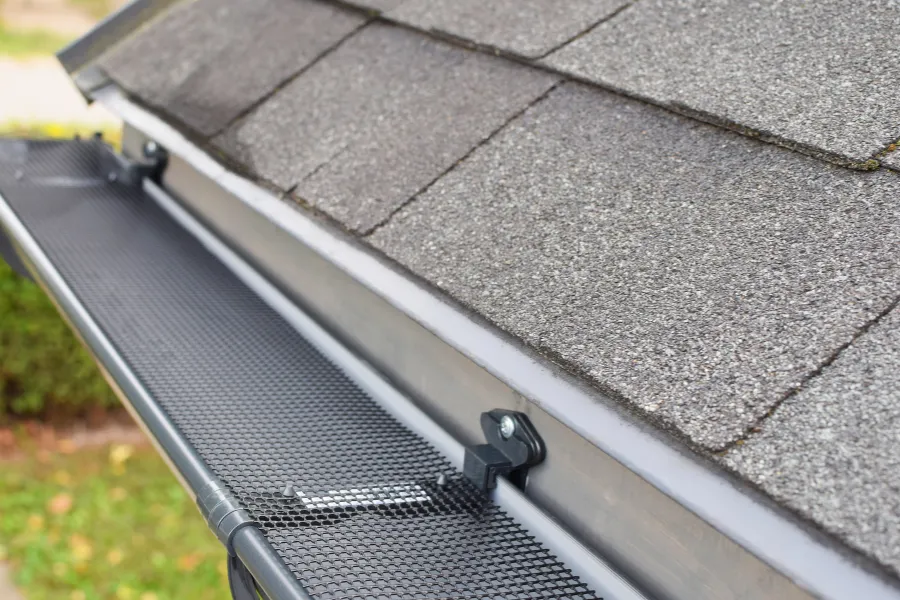
Clogged gutters and loose flashing are the primary culprits behind major leaks during Florida downpours.
- Clear Debris: Ensure all downspouts and scuppers are clear.
- Check Seals: Verify that flashing is properly anchored and sealed.
- Prevent Ponding: The Florida Building Code requires adequate drainage to prevent water pooling, which can lead to structural collapse under heavy rain.
Organize Your Digital “Hurricane Folder”
In the chaos following a storm, you don’t want to be hunting for paperwork. Create a dedicated digital folder (on Google Drive or Dropbox) labeled “2026_PreStorm_Roof_Documentation.” Your folder should include:
- A digital copy of your current insurance policy
- Professional inspection reports
- Timestamped photos/videos
- Invoices for recent repairs
Most Importantly, Know Your Deadlines
Most Florida carriers require damage to be reported within 30 days of the event. Failing to provide timely notice or lacking documentation can lead to a denied claim. Review your policy every spring to confirm your deductible and coverage limits, and keep your insurer’s contact information saved in your phone.
Is Your Roof Ready for Hurricane Season?
Don’t wait for the first storm warning to find out if your roof is compromised. Dried-In Roofing specializes in comprehensive pre-storm inspections and documentation that stands up to insurance adjusters. Contact Dried-In Roofing today to schedule your pre-hurricane inspection!
Frequently Asked Questions
You May Like

Choosing a Roofer as a Property Manager: Everything You Need to Know
Understanding the Role of a Roofing Professional Key Qualifications and Certifications to Look For Evaluating Experience and Reputation Receiving and Comparing Quotes Establishing Effective Communication and Expectations Frequently Asked Questions As a property manager, your responsibilities go far beyond managing tenants and overseeing day-to-day operations. One of the most critical
Is It Time for Roof Repairs? Signs Your Property is Due for Them
Visible Wear and Tear on the Roof’s Surface Water Stains and Leaks Inside the Property Increased Energy Bills Roof Age and Maintenance History Presence of Mold or Mildew Typical asphalt shingle roofs last 15–25 years, with Florida’s harsh climate sometimes shortening that span. Ensuring the safety and integrity of your
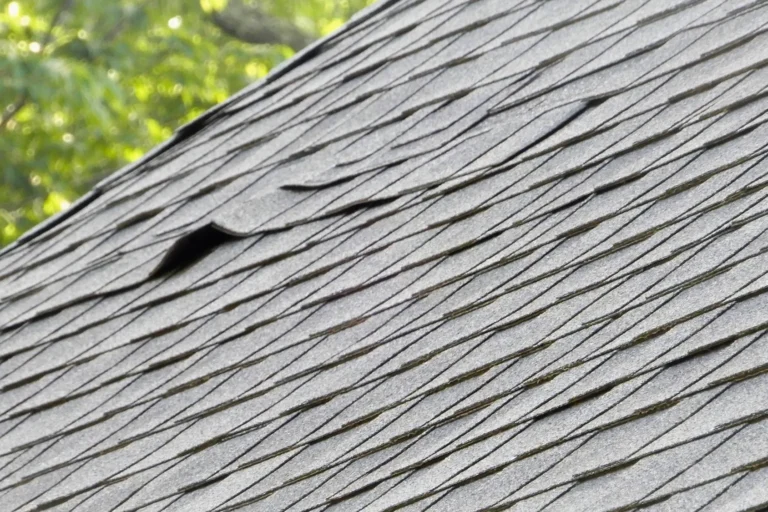
7 Signs Your Southwest Florida Roof Needs More Than a Patch-Up
Sign 1. Visible Damage Beyond the Surface Sign 2. Repeated Leaks or Water Stains Sign 3. High Energy Bills and Poor Insulation Sign 4. Your Roof Is Over the Required Age Sign 5. Sagging or Structural Weakness Sign 6. Mold, Mildew, or Musty Odors Sign 7. Granules in Gutters or