7 Signs Your Southwest Florida Roof Needs More Than a Patch-Up
- Sign 1. Visible Damage Beyond the Surface
- Sign 2. Repeated Leaks or Water Stains
- Sign 3. High Energy Bills and Poor Insulation
- Sign 4. Your Roof Is Over the Required Age
- Sign 5. Sagging or Structural Weakness
- Sign 6. Mold, Mildew, or Musty Odors
- Sign 7. Granules in Gutters or Missing Shingles
- Frequently Asked Questions (FAQs)
- Why Choose Dried-In Roofing
If your roof is showing signs of leaks, rising energy bills, or extensive shingle wear, and it’s more than 15 years old, it’s probably beyond a quick patch-up. Florida Building Code now requires that roof repairs meet full compliance standards, meaning older systems often need to be replaced to remain up to code.
Here are 7 of the most common signs that we see at Dried-In Roofing that your roof requires a more extensive repair than just a few patches.
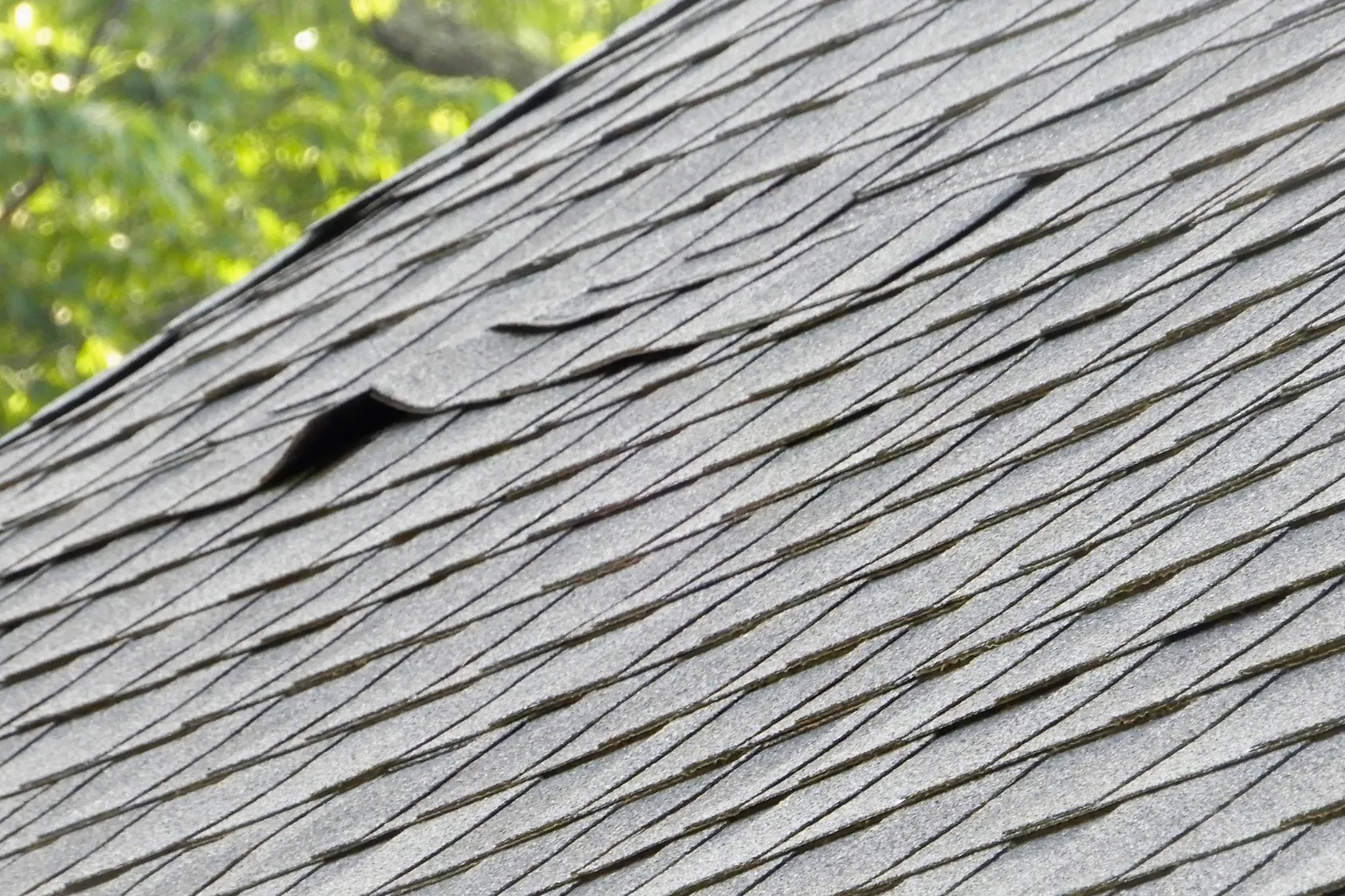
Sign 1. Visible Damage Beyond the Surface
Cracked, curled, or missing shingles are among the clearest signs your roof needs more than a quick fix. For tile and metal roofs, watch for chips, dents, or loose panels. According to the Florida Building Code, any roof section undergoing repair must meet current wind- and water-resistance standards, and if it doesn’t, a full replacement may be required.
Especially after a major storm, which we experience often here in Southwest Florida, visible surface wear often hides deeper decking damage. A professional inspection can reveal what’s beneath the surface.
Sign 2. Repeated Leaks or Water Stains
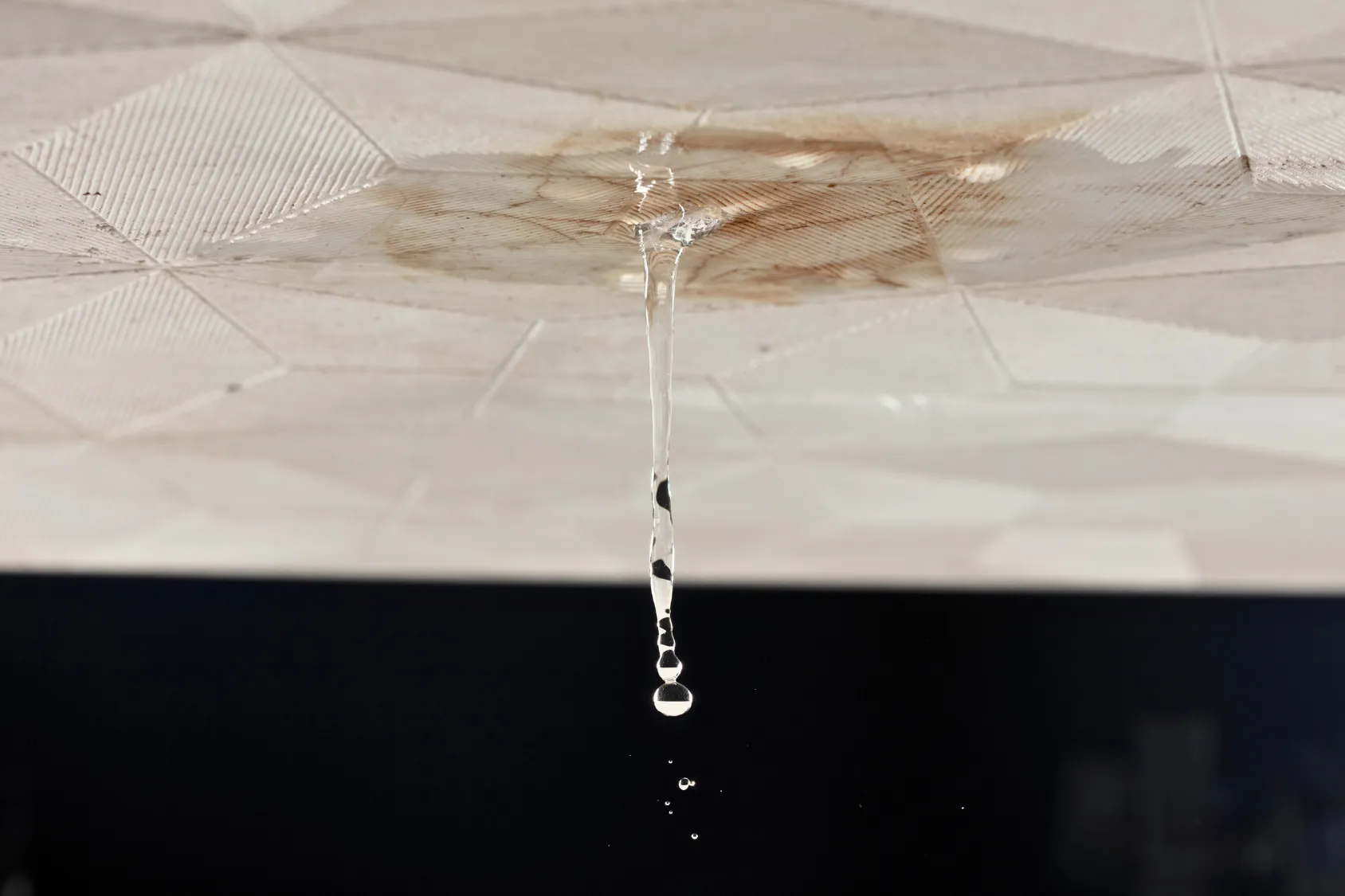
A single ceiling stain might be patchable, but repeated leaks indicate widespread membrane or flashing failure. Florida’s high humidity accelerates moisture damage, allowing water to travel under shingles or tile and into structural materials. Even a small, persistent leak can trigger mold growth and wood rot within weeks.
If you’re seeing stains after every storm, or smelling dampness in your attic, your roof’s waterproof barrier is likely compromised.
Sign 3. High Energy Bills and Poor Insulation
If your electric bill keeps climbing, your roof could be to blame. In Florida’s heat, deteriorated insulation allows indoor cooling to escape and outside heat to penetrate.
The Florida Solar Energy Center reports that damaged or poorly insulated roofing can increase energy costs by up to 35%, especially in homes with older asphalt shingles or flat roofs. A properly sealed roof helps maintain stable temperatures, protecting both your comfort and your wallet.
Sign 4. Your Roof Is Over the Required Age
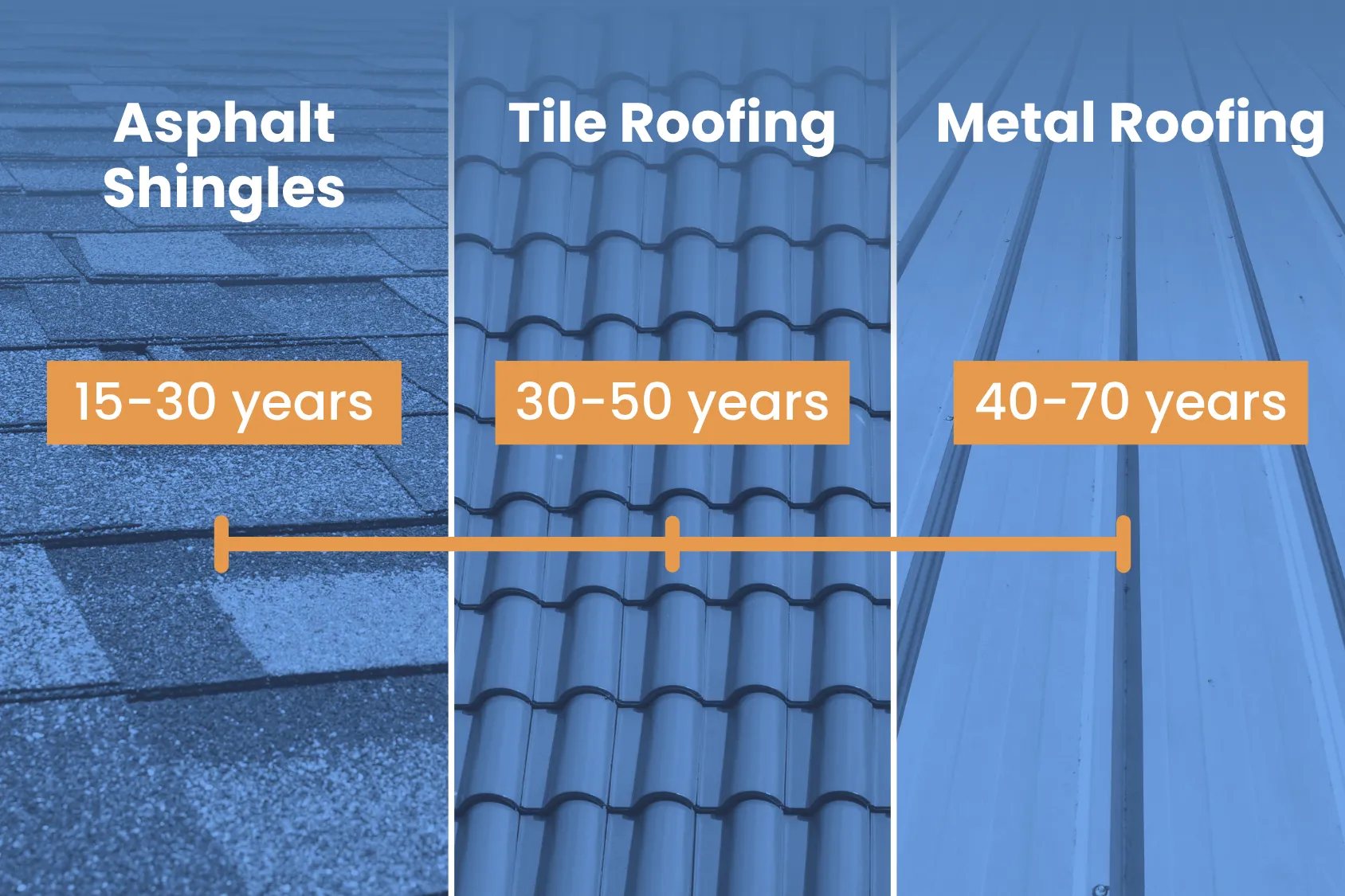
Typical roof lifespans in Southwest Florida depend on the roofing material.
- Asphalt shingles: 15–25 years
- Metal: 40–70 years
- Tile: 25-40 years
However, even if your roof is within a recommended age range, under the Florida Building Code, homeowners must have their roofs inspected at least every five years. This applies even if there are no visible issues.
If your roof was installed before 2010 and has had multiple patch repairs, it’s likely not compliant with the latest fastening and underlayment standards, and that could void insurance coverage in a storm claim. Request a Dried-In inspection before hurricane season to document your roof’s current condition for insurance purposes.
Sign 5. Sagging or Structural Weakness
If your roofline looks uneven, or you notice dips in certain areas, that’s a red flag. Sagging indicates decking damage, trapped moisture, or failing trusses, and these are issues that can’t be resolved with patchwork.
Southwest Florida’s heavy summer rain can saturate wood decks over time, leading to soft spots and long-term instability. Structural sagging almost always requires a professional evaluation and, if necessary, replacement.
Sign 6. Mold, Mildew, or Musty Odors
Mold thrives in humid Florida attics. If you smell must or see black streaks on your ceiling, it could mean water is infiltrating through small roof leaks.
Beyond health concerns, this is a sign of ongoing roof failure. Mold remediation without repairing the source (the roof) is just a temporary fix. That’s why you should always have your attic inspected for hidden leaks and poor air circulation.
Sign 7. Granules in Gutters or Missing Shingles
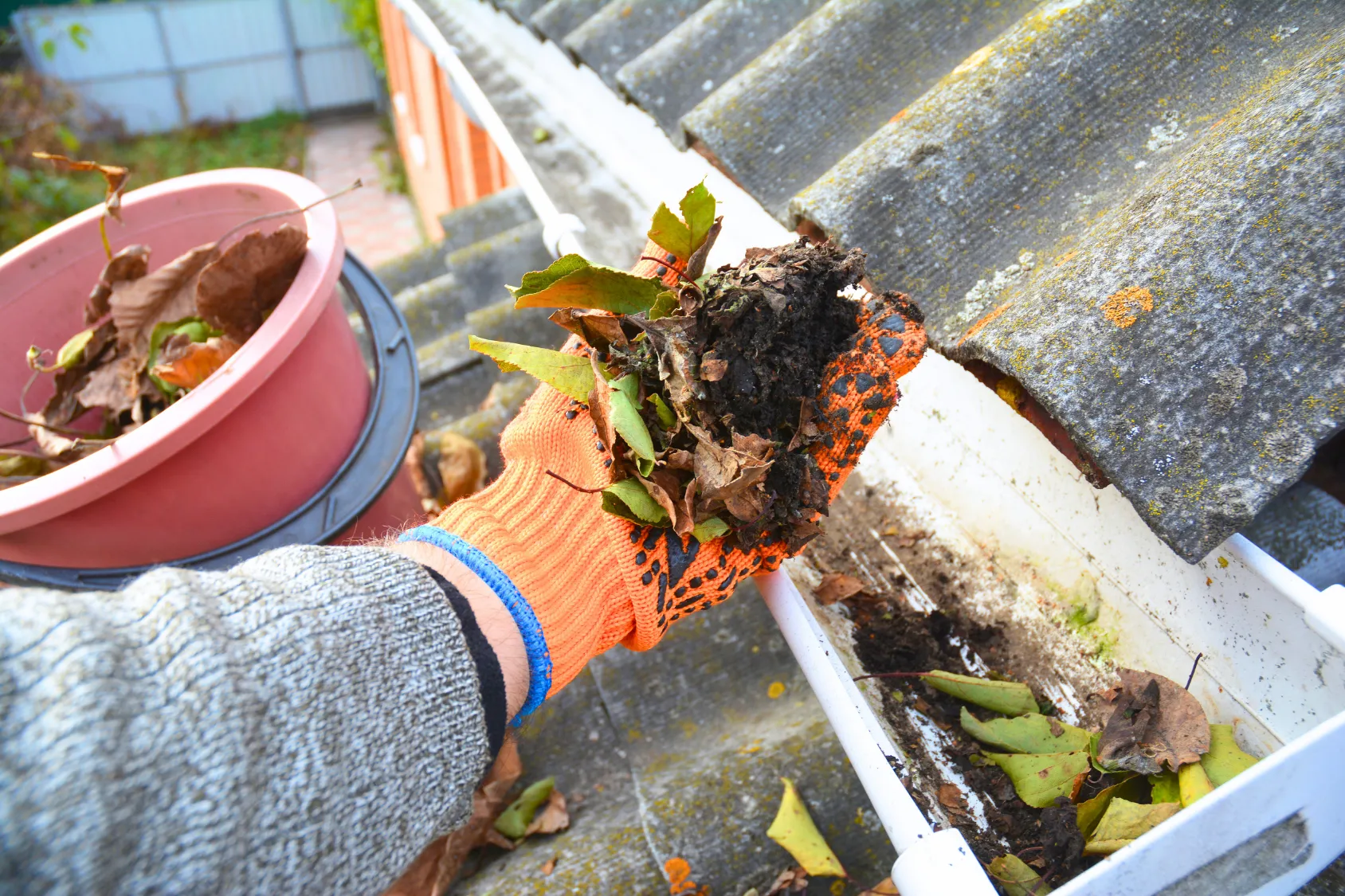
If you notice black grit in your gutters or around the downspouts, those are roof shingle granules, which make up your roof’s UV protection layer. When these granules wear off, shingles lose their ability to reflect sunlight and resist water.
This breakdown accelerates aging and can lead to brittle shingles and leaks during the next storm. If large areas are bare or balding, it’s time for more than a repair.
Frequently Asked Questions (FAQs)

Why Choose Dried-In Roofing
At Dried-In Roofing, we help homeowners make informed decisions for the long-term durability of their roof, rather than relying on quick fixes that simply delay the issue or cause more harm over time.
Our team of roofers provides:
- Detailed roof inspections compliant with 2025 FBC standards
- Photo documentation for insurance claims
- Transparent estimates and clear timelines
- Long-lasting solutions that protect your investment
Call us today at (239) 351-3949 or contact our office here to schedule your roof inspection.
You May Like
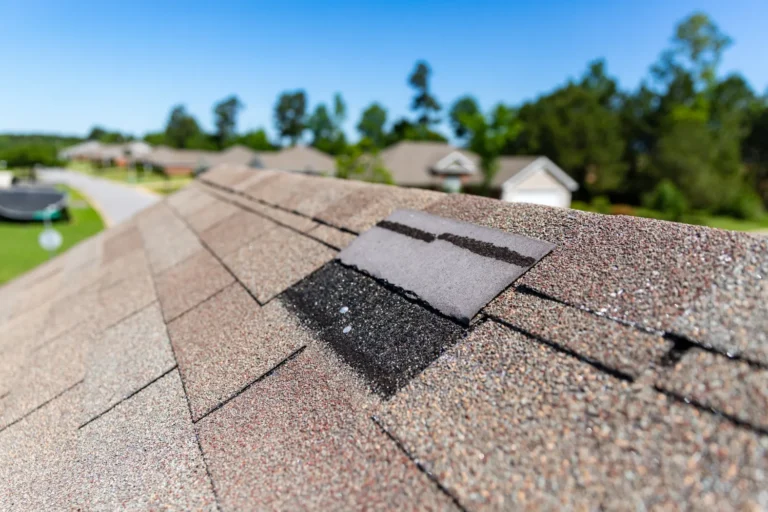
Roof Damage Identification Checklist After a Florida Storm
Preparing for the Inspection Visual Inspection of the Roof Surface Inspecting Gutters and Downspouts Interior Signs of Roof Damage Assessing Surrounding Areas and Debris Living in Florida means you’re no stranger to the unpredictable nature of storms, especially during Hurricane season. High winds, heavy rains, and flying debris can all
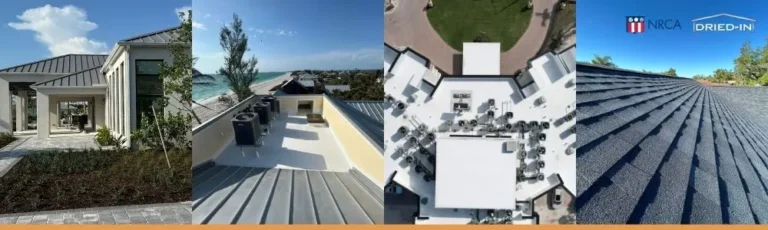
Showcasing Excellence: Dried-In’s Signature Projects During National Roofing Week
Seven Shores Amenity Buildings Beachmoor Condo Boca Grande Residence Sarasota Residence Honoring Roofing Excellence At Dried-In Roofing, excellence isn’t just a goal, it’s our standard. That’s why we’re proud to participate in National Roofing Week, an annual celebration led by the National Roofing Contractors Association (NRCA) to highlight the importance
Florida Condo Association Roof Compliance Checklist
Understanding Florida Roof Compliance Regulations Assessing Roof Condition and Maintenance History Ensuring Proper Materials and Installation Evaluating Insurance and Liability Issues Communicating with Residents and Board Members Owning or managing a condo association in Florida comes with its unique set of responsibilities, and one of the most important is ensuring