
How Proactive Roofing Project Management Minimizes Construction Delays and Change Orders (New Construction)
Proactive roofing project management prevents construction delays and change orders by coordinating engineering specifications, material procurement, and trade schedules before installation begins. For general contractors, developers, and commercial property managers across Southwest Florida, this approach tackles the leading causes of delay, including uncoordinated trade handoffs, material lead times, and late design changes, before they reach the job site. Dried-In applies this method to commercial and multi-family re-roofing projects across Fort Myers, Naples, Sarasota, and surrounding areas, verifying substrate conditions, Florida Building Code wind load requirements, and equipment coordination with other trades before mobilization. The sections below cover why change orders happen, how material planning and weather sequencing protect a schedule, and what documentation looks like on a well-managed project.
What Causes Construction Delays in Southwest Florida Roofing Projects?
A construction delay is any gap between a project’s planned completion date and its actual completion date. The National Roofing Contractors Association (NRCA) reported in October 2024 that the leading causes of construction delays nationally are poorly executed handoffs between trades, staffing shortages, material and equipment delays, late design changes, and weather-related pauses.
In coastal Southwest Florida, these impediments compound. Seasonal storm trends, high humidity, and municipal permitting queues each add their own pressure to a schedule. When roof installation falls behind, interior trades such as drywall, electrical, and flooring cannot proceed. Inspections get pushed back, certificates of occupancy get delayed, and carrying costs keep accruing for property owners. A roofing partner familiar with these patterns, such as Dried-In’s commercial roofing services, identifies scheduling risks months in advance rather than reacting once work has stalled.
Why Do Roofing Change Orders Happen?
A change order is a formal revision to a project’s baseline scope, schedule, or cost after work has already begun. The most common cause of change orders during a roof replacement is unforeseen conditions—such as damaged decking, structural rot, or hidden components that were buried and only uncovered once the existing roof was torn off. Missing or ambiguous specifications and uncoordinated trade penetrations also contribute to scope adjustments.
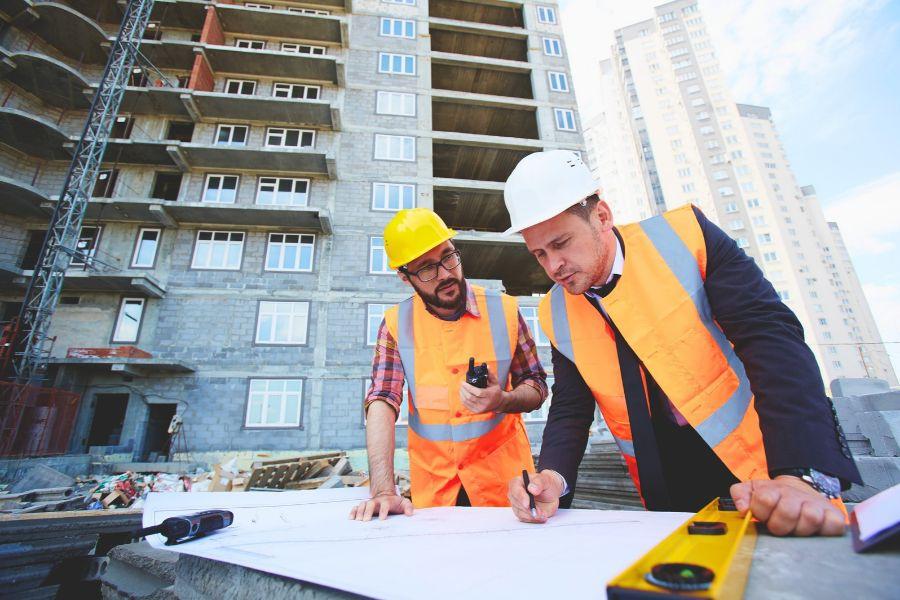
Reducing these surprises depends on disciplined pre-construction planning. Dried-In holds review sessions with architects and general contractors to confirm membrane details, edge metal fastening patterns, and drainage pathways before crews mobilize. Verifying substrate conditions and structural deck requirements up front gives the whole project team a common understanding of the scope before the first pallet of material arrives.
How Does Early Engineering Coordination Address Wind Load Requirements?
Coastal cities such as Naples, Bonita Springs, and Cape Coral fall under Florida Building Code wind load provisions that require roofing assemblies to resist significant uplift pressure, commonly through specific mechanical fastening patterns or adhesive application methods. The Florida Building Code adopted the ASCE 7-22 wind load standard in its 8th Edition (2023), which affects statewide fastening and pressure calculations.
Involving a roofing contractor during pre-construction lets structural engineers and mechanical contractors review submittal packages and shop drawings together before work starts. Communicating directly with HVAC (heating, ventilation, and air conditioning) trades on curb heights and equipment tie-ins resolves layout conflicts on paper instead of on the roof deck.
Re-roofing applications require careful engineering evaluation because Florida's wind load codes have increased significantly over the past two decades. Simply replacing an existing roof with the same material or assembly type does not guarantee compliance with modern standards. Dried-In works directly with structural engineers on re-roofing projects to perform uplift calculations, verify existing deck attachments, and ensure the updated roofing system fully satisfies current Florida Building Code requirements.
How Does Advance Material Procurement Prevent Schedule Slips?
Material shortages and supply chain disruptions can still delay projects. While single-ply membranes such as TPO are generally readily available, specialized bonding adhesives and insulation boards often face lead-time delays. Adhesives, in particular, are petroleum byproducts subject to raw-material availability and gas-industry fluctuations.
To mitigate schedule slips, Dried-In places material orders as early as possible once architects, building owners, and general contractors finalize all submittals, and actively tracks factory lead times with regional distributors to ensure staged delivery before installation crews arrive on site.
How Is Roofing Work Sequenced Around Southwest Florida Weather and Interior Trades?
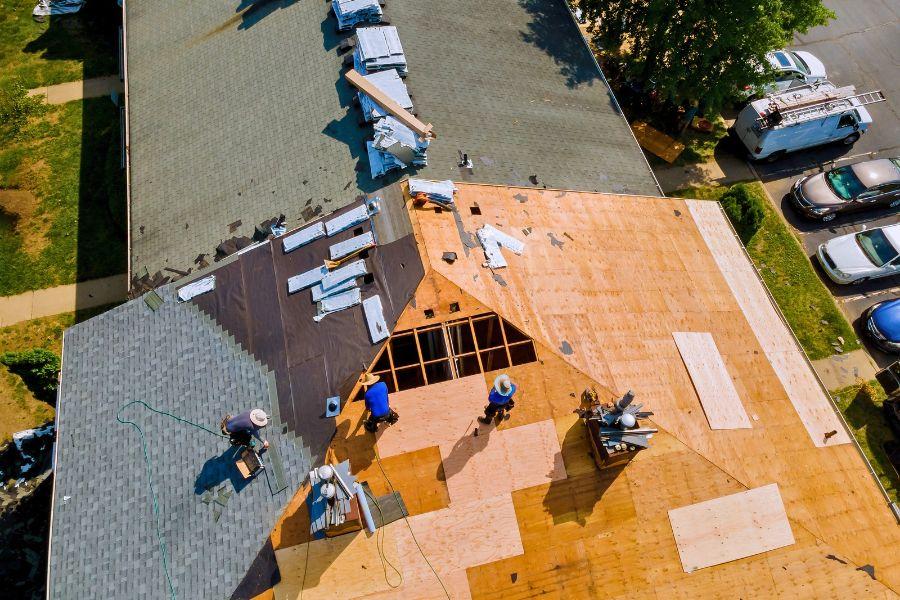
Southwest Florida’s afternoon thunderstorms can drop significant rainfall in a short window, which makes an open roof deck a real risk to interior work in progress below. Disciplined sequencing of tear-off and dry-in phases limits how much of the roof is open at any time, keeping water out while other trades continue.
Coordinating daily with electricians, plumbers, and stucco crews ensures penetrations are flashed promptly, protecting finished interior work. It keeps other trades moving without waiting on the roof to catch up.
Why Does Daily Documentation Matter on a Commercial Roofing Project?
Clear documentation protects everyone involved in a commercial build. Daily project logs, photo tracking, and field reports keep general contractors, board members, and property owners informed at each stage of construction.
Full documentation also simplifies manufacturer warranty registration. When inspectors and manufacturers can review clear photo evidence of fastener spacing and seam probe testing, sign-offs move faster, and everyone involved has a shared, accurate record of what was built.
What Happened on the Beachmoor Condominium Project?
Dried-In applied this process on the Beachmoor Condominium project, a multi-story beachfront building in Naples. The scope included a complete tear-off, moisture scanning, and installation of a 60-mil fleece-back TPO roofing system, along with upgraded lightning protection and mechanical equipment curbs.
By scheduling core cuts early, staging crane lifts, and holding continuing coordination meetings with HVAC contractors, the Dried-In team completed the installation in five weeks with no unapproved change orders. The project closed out with a 20-year No Dollar Limit (NDL) manufacturer warranty, which covers material and labor costs for qualifying repairs without a dollar cap.
How Can Southwest Florida Contractors Partner With Dried-In?
Predictable construction schedules depend on experienced project management, detailed pre-construction planning, and steady communication. Dried-In works with commercial builders and property managers across Fort Myers, Naples, Sarasota, and the surrounding area on new-construction and re-roofing projects.
To request a consultation or bid package for an upcoming commercial or multi-family roofing project, contact Dried-In at (239) 351-3949.
Frequently Asked Questions
What is proactive roofing project management?
It is a construction management approach in which the roofing contractor coordinates engineering reviews, material delivery, trade schedules, and municipal inspections before job-site work begins to reduce surprises, change orders, and trade conflicts.
Why are roofing change orders common on commercial projects?
They most commonly occur when unforeseen or hidden conditions—such as damaged substrate or buried structural elements—are uncovered during tear-off, or when specifications are missing or ambiguous. Pre-construction site reviews, engineering reviews for current wind codes, and early material submittal approvals help minimize these scope changes.
How does weather tracking affect roofing schedules in Southwest Florida?
Roofing managers review short-term radar forecasts and open only the sections of a roof deck crews can seal and make watertight in the same shift, limiting water intrusion risk while keeping the project moving.
What documentation should a property manager expect from a roofing partner?
A roofing partner should provide daily logs, photo documentation, verified inspection sign-offs, and a complete manufacturer warranty package at project closeout.
Key Takeaways
- Roofing delays often start with uncoordinated trade handoffs, material lead times, and late design changes, according to NRCA reporting.
- Most change orders trace back to unverified site conditions or penetrations that were not coordinated with other trades before work began.
- Sequencing tear-off and dry-in work around Southwest Florida’s storm cycles protects interior trades below.
- Daily logs and photo documentation support faster inspections and manufacturer warranty sign-off.
You May Like
Pre-Hurricane Season Roofing Checklist: How to Document Your Roof to Fast-Track Insurance Claims
In Florida, hurricane preparedness isn’t just about shutters and water—it starts on your roof. Taking detailed photos and professional inspection notes before storm season hits can save you weeks of claim delays and thousands of dollars in unreimbursed damage. As insurance requirements become more stringent, Florida homeowners must provide "proof

The Top 5 High-ROI Commercial Roofing Materials for Southwest Florida Businesses
In a climate where heat, salt air, and storms test every system, for commercial properties in Southwest Florida, choosing the right roof is not always a simple task. With many factors at play and your return on investment to consider, you can trust our roofing material expertise at Dried-In to
Roof Damage Identification Checklist After a Florida Storm
Living in Florida means you’re no stranger to the unpredictable nature of storms, especially during Hurricane season. High winds, heavy rains, and flying debris can all wreak havoc on your roof. Identifying storm damage early is crucial to avoid costly repairs and ensure the safety and integrity of your home.